Electric vehicles are rapidly becoming a mainstream choice for drivers across the country, and as adoption accelerates, the question is no longer just about which EV to buy — it is about how to charge it smartly. For homeowners and business operators alike, the charger you choose makes an enormous difference in convenience, cost savings, energy efficiency, and long-term value. Standard Level 1 chargers that simply plug into a wall outlet are quickly becoming outdated, replaced by a new generation of smart EV chargers that bring connectivity, intelligence, and control to the charging experience. This summer, as temperatures rise and energy demand spikes, the advantages of upgrading to a smart charger have never been more relevant. Whether you are managing a fleet of electric company vehicles, running a retail business that wants to attract EV-driving customers, or simply charging your personal electric car at home overnight, smart EV charging technology offers a suite of benefits that go far beyond just topping off a battery.
What Makes a Smart EV Charger Different from a Standard Charger
To appreciate the full value of a smart EV charger, it helps to understand what distinguishes it from a conventional charging unit. A standard charger, often referred to as a Level 1 or basic Level 2 charger, does one thing: it delivers electricity to your vehicle. There is no scheduling, no remote monitoring, no energy data, and no ability to adjust output based on grid conditions or your electricity rate. You plug in, and it charges — that is the extent of the capability.
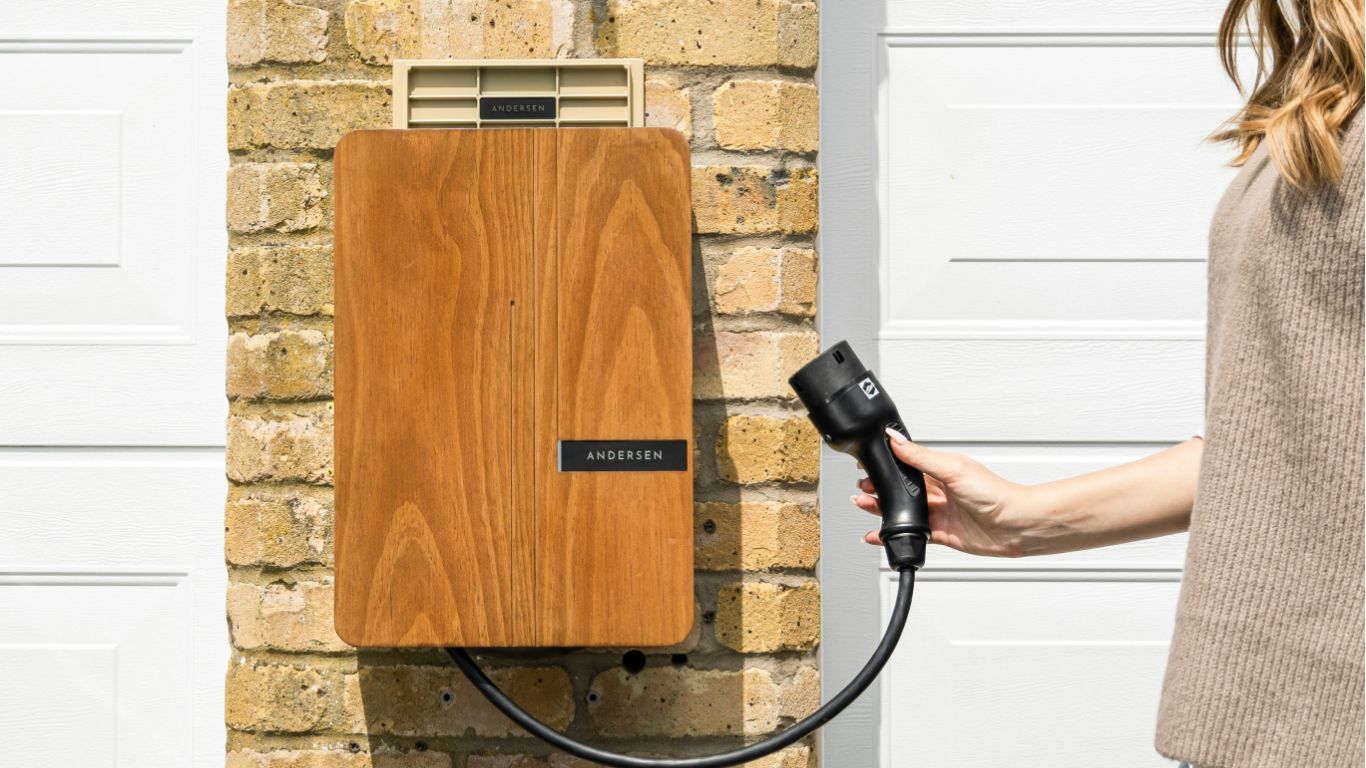
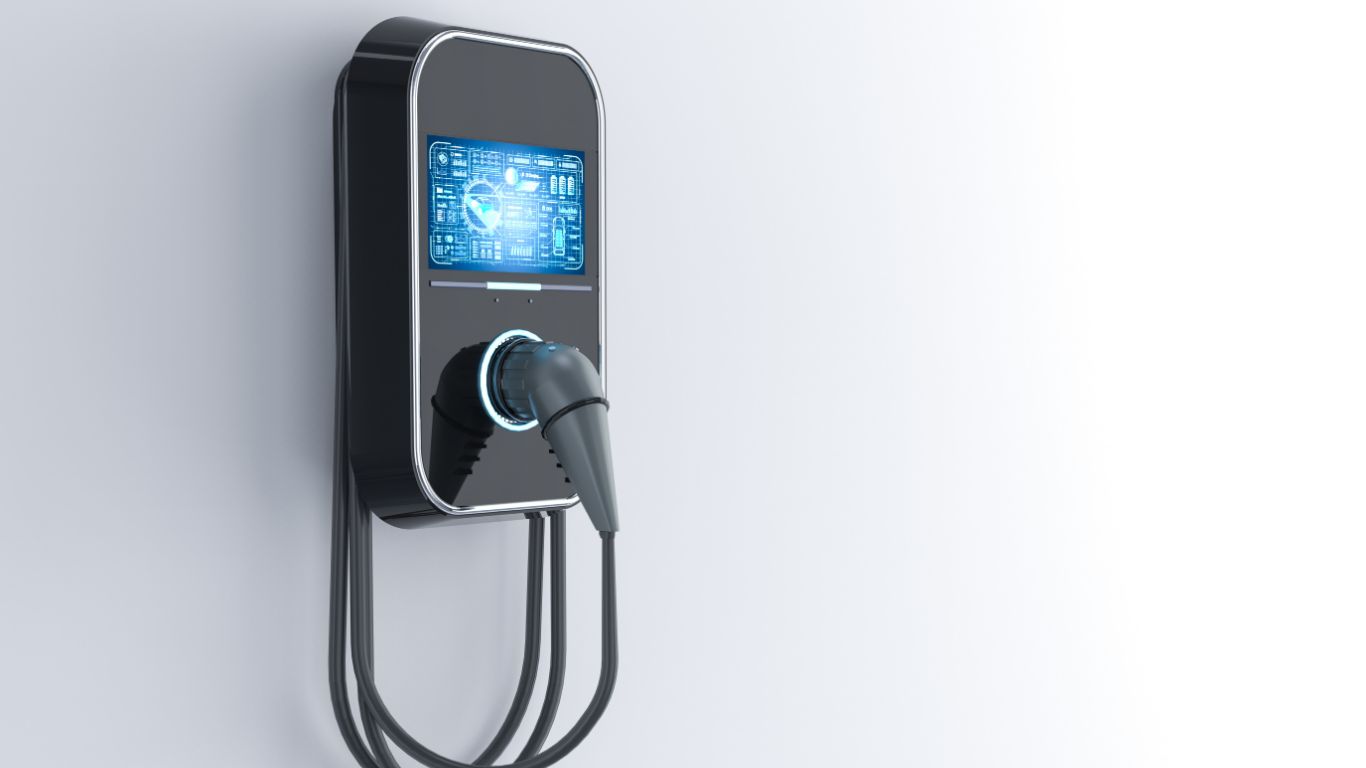
A smart EV charger, by contrast, is a connected device. It communicates with your smartphone, your home energy management system, and in some cases the utility grid itself. Smart chargers use Wi-Fi, Bluetooth, or cellular connectivity to give users real-time visibility into charging sessions, historical energy usage, and cost tracking. They can be programmed to charge only during off-peak hours when electricity rates are lowest, or to pause and resume based on grid signals. Many models also integrate with solar panel systems, allowing homeowners to prioritize charging when their panels are generating surplus energy. This level of intelligence transforms the charger from a passive power delivery device into an active, manageable energy asset.
The hardware itself is typically more robust as well. Most smart chargers are Level 2 units operating at 240 volts, delivering anywhere from 16 to 48 amps depending on the model and your electrical panel capacity. This means charging times that are dramatically faster than a standard wall outlet — a full charge overnight rather than over multiple days. When you combine faster charging with intelligent scheduling and remote control, the upgrade from a basic charger to a smart one becomes a straightforward decision for anyone serious about living or operating efficiently with an electric vehicle.
How Smart Charging Delivers Real Cost Savings at Home
One of the most compelling benefits of a smart EV charger for homeowners is the direct impact it has on electricity costs. Utility companies in many regions use time-of-use pricing, which means the cost of electricity fluctuates depending on the time of day and overall grid demand. Peak hours — typically late afternoon through early evening when households are returning home and businesses are still running — carry the highest rates. Off-peak hours, such as late at night and early morning, are significantly cheaper.
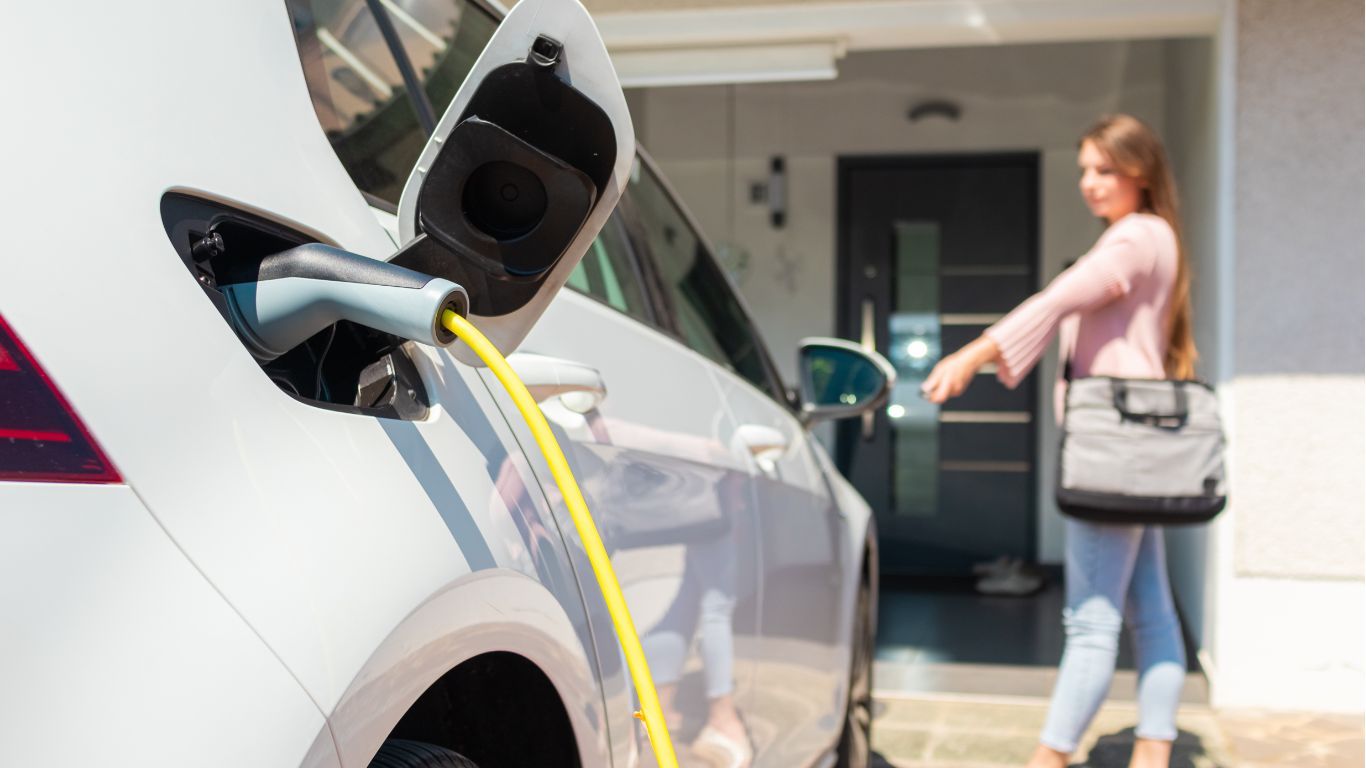
Without a smart charger, many EV owners simply plug in when they arrive home, which happens to fall right in the middle of peak pricing windows. A smart charger solves this problem automatically. You set a departure time — say, 7:00 AM — and the charger determines when to begin charging to ensure the vehicle is fully charged by that time while taking advantage of the cheapest overnight rates. Over the course of a year, this single feature can translate into meaningful savings on electricity bills, especially for households with multiple electric vehicles.
Beyond rate scheduling, smart chargers also provide detailed energy consumption data. Homeowners can review exactly how much electricity they used for charging, what it cost, and how their usage patterns compare over time. This visibility encourages smarter energy habits and makes it easier to budget accurately. Some smart chargers also integrate directly with solar energy systems, using excess solar generation during daylight hours to charge the vehicle before drawing from the grid. During summer months especially, when solar panels are working at peak output, this integration can dramatically reduce or even eliminate the cost of charging entirely for solar-equipped homes.
Additionally, many utility companies and local governments offer rebates and incentives for installing certified smart EV chargers. These programs often require the charger to meet specific connectivity and demand-response standards — requirements that only smart chargers can fulfill. Taking advantage of these programs reduces upfront installation costs and accelerates the return on investment for homeowners.
The Business Case for Smart EV Chargers — Efficiency, Revenue, and Customer Loyalty
For businesses, the benefits of smart EV chargers extend well beyond personal convenience and into the realms of operational efficiency, customer attraction, and even direct revenue generation. As EV adoption grows, businesses that provide charging infrastructure gain a meaningful competitive advantage over those that do not.
Retail stores, restaurants, hotels, office buildings, and parking facilities are all discovering that EV charging amenities increase dwell time and customer satisfaction. When a customer knows they can charge their vehicle while shopping or dining, they are more likely to choose your location over a competitor's. Studies in consumer behavior consistently show that EV drivers actively seek out businesses with charging infrastructure and tend to spend more during extended visits. Offering this service is no longer just a novelty — it is becoming an expectation in the minds of a growing customer segment.
Smart chargers make commercial charging manageable at scale. For a business deploying multiple charging stations, smart network management tools allow centralized monitoring and control of every unit from a single dashboard. Operators can see which stations are in use, which are available, and which may need maintenance — all in real time. Billing and payment systems can be integrated directly, allowing businesses to charge customers per session or per kilowatt-hour, turning charging infrastructure into a revenue-generating service rather than a cost center.
Fleet operators benefit enormously from smart charging as well. Companies running electric delivery vehicles, service vans, or employee shuttle buses need to ensure every vehicle is fully charged and ready each morning without overloading the facility's electrical infrastructure. Smart chargers with load management capabilities distribute power intelligently across multiple vehicles, preventing costly demand charge spikes on the electricity bill while ensuring the fleet is ready to operate. This kind of precision energy management simply is not possible with standard chargers.
- Centralized monitoring and remote management of all charging stations from one platform
- Automated billing and payment processing for customer-facing charging services
- Load balancing across multiple chargers to prevent electrical demand charge penalties
- Access to usage analytics and reporting for budgeting and infrastructure planning
- Integration with employee benefits programs for workplace charging reimbursement
- Scalable systems that grow alongside fleet or customer demand expansions
There is also a brand and values dimension to consider. Businesses that invest in EV charging infrastructure signal a commitment to sustainability that resonates strongly with today's consumers. Environmental responsibility has moved from a marketing talking point to a genuine purchasing criterion for a broad segment of the population. Installing smart EV chargers is a visible, tangible demonstration of that commitment — and smart chargers, with their energy optimization and demand-response capabilities, represent the most environmentally responsible version of that investment.
Safety, Reliability, and the Smart Features That Protect Your Investment
Beyond cost and convenience, smart EV chargers offer important safety and reliability advantages that are worth examining carefully. Charging an electric vehicle involves sustained, high-powered electrical delivery, and doing so with outdated or improperly sized equipment creates real risks. Smart chargers are designed with multiple layers of protection that safeguard both the vehicle and the property.
Most smart chargers include built-in ground fault circuit interrupter protection, surge protection, and over-temperature monitoring. They can detect irregular conditions during a charging session and automatically pause or terminate charging to prevent damage. This kind of automated safety response is simply not available in a basic charger that has no diagnostic intelligence. For homeowners installing a charger in a garage adjacent to living spaces, or businesses running chargers in high-traffic areas, these safety features are not optional — they are essential.
Remote diagnostics and software updates are another key advantage. When a firmware update improves charging efficiency or adds a new safety protocol, smart chargers receive that update automatically over the network. This means your charger improves over time rather than becoming obsolete. If an issue arises with a unit, many smart chargers can report fault codes and diagnostic data remotely, allowing technicians to identify and resolve problems more efficiently and in many cases preventing unnecessary service visits.
For homeowners specifically, the ability to monitor and control charging remotely through a smartphone app adds a practical layer of peace of mind. If you forget to plug in before leaving the house, you can initiate a charge remotely. If unexpected guests arrive and you need to free up the charging space, you can pause the session from wherever you are. These small conveniences accumulate over time into a genuinely better quality of life for EV owners who want their charging experience to be as seamless as every other connected aspect of their home.
- Built-in ground fault and surge protection for vehicle and property safety
- Automatic session pausing during detected electrical irregularities
- Over-the-air firmware updates that continuously improve performance and security
- Remote diagnostics that streamline maintenance and reduce service costs
- Smartphone app control for real-time session management from any location
- Compatibility with smart home systems including voice assistants and energy monitors
The reliability benefits of smart chargers are particularly important for businesses where downtime equals lost revenue and frustrated customers. A networked smart charger that can be remotely diagnosed and often remotely reset minimizes disruption far more effectively than a dumb unit that requires a physical service call for every minor issue. For any business that plans to offer charging as a service, reliability is not just a convenience — it is a fundamental part of the customer experience.
Making the Right Choice — Professional Installation and Long-Term Value
Understanding the benefits of smart EV chargers is the first step — the next is ensuring they are installed correctly by qualified professionals. A smart charger is only as good as the electrical infrastructure supporting it. Improper installation can negate safety features, reduce performance, void warranties, and in serious cases create electrical hazards. For homeowners, this typically means a licensed electrician assessing the capacity of the existing electrical panel and installing a dedicated 240-volt circuit with the appropriate breaker rating. For businesses, the infrastructure requirements may be considerably more involved, encompassing panel upgrades, conduit runs, metering equipment, and network connectivity provisioning.
This is where working with a trusted, experienced installer makes all the difference. Premier EV Chargers specializes in professional EV charger installation for both residential and commercial clients, bringing the technical expertise and industry knowledge needed to ensure every installation is safe, code-compliant, and optimized for performance. Choosing the right installer means you get guidance not just on the physical installation but on charger selection, utility incentive programs, load management planning, and future-proofing your setup as your EV needs evolve.
The long-term value of a professional smart EV charger installation is substantial. Property values are increasingly influenced by EV-ready infrastructure — for homes, a hardwired smart charger in the garage is a genuine selling feature in today's real estate market. For commercial properties, EV charging infrastructure is becoming a baseline expectation for tenants and customers alike. Investing now, while adoption is growing rapidly rather than waiting until it is fully mainstream, positions both homeowners and businesses ahead of the curve rather than scrambling to catch up.
This summer is a particularly good moment to act. Energy costs are climbing, EV sales continue to break records, and utility demand-response programs are actively seeking participants. Smart chargers are the technology that connects all of these trends into a coherent, cost-effective, and future-ready strategy. Whether your priority is saving money on your electricity bill, attracting more customers to your business, managing a growing fleet, or simply making your daily charging experience more convenient and reliable, smart EV charging delivers on every front. The technology is mature, the benefits are proven, and the professionals at Premier EV Chargers are ready to help you make the most of it.
Leave A Reply
Search
Recent Posts