

Making the switch to an electric vehicle is one of the most exciting decisions a driver can make, and installing a home EV charger takes that commitment to the next level. But before you start picturing a sleek charging station mounted to your wall, there is a genuinely important question to work through first: where exactly should that charger go? The placement of your home EV charger affects everything from daily convenience to installation costs, long-term safety, and even the resale value of your home. Getting it right from the start saves you time, money, and frustration down the road. Whether you are installing your first charger this summer or upgrading an existing setup, this guide walks you through every factor you need to consider before committing to a location.
Why Charger Placement Matters More Than Most Homeowners Realize
It might be tempting to treat charger placement as an afterthought, something to figure out once the electrician shows up. But the location you choose has a cascading effect on nearly every other aspect of the installation. The distance from your electrical panel, the type of surface you are mounting to, exposure to the elements, and how your vehicle is actually positioned in your driveway or garage all play a role in determining the ideal spot. A poorly placed charger can result in cable strain, trip hazards, inadequate ventilation, or an unnecessarily expensive wiring run. On the other hand, a well-chosen location means plug-in convenience every single day, a cleaner installation, and a charger that performs reliably for years.
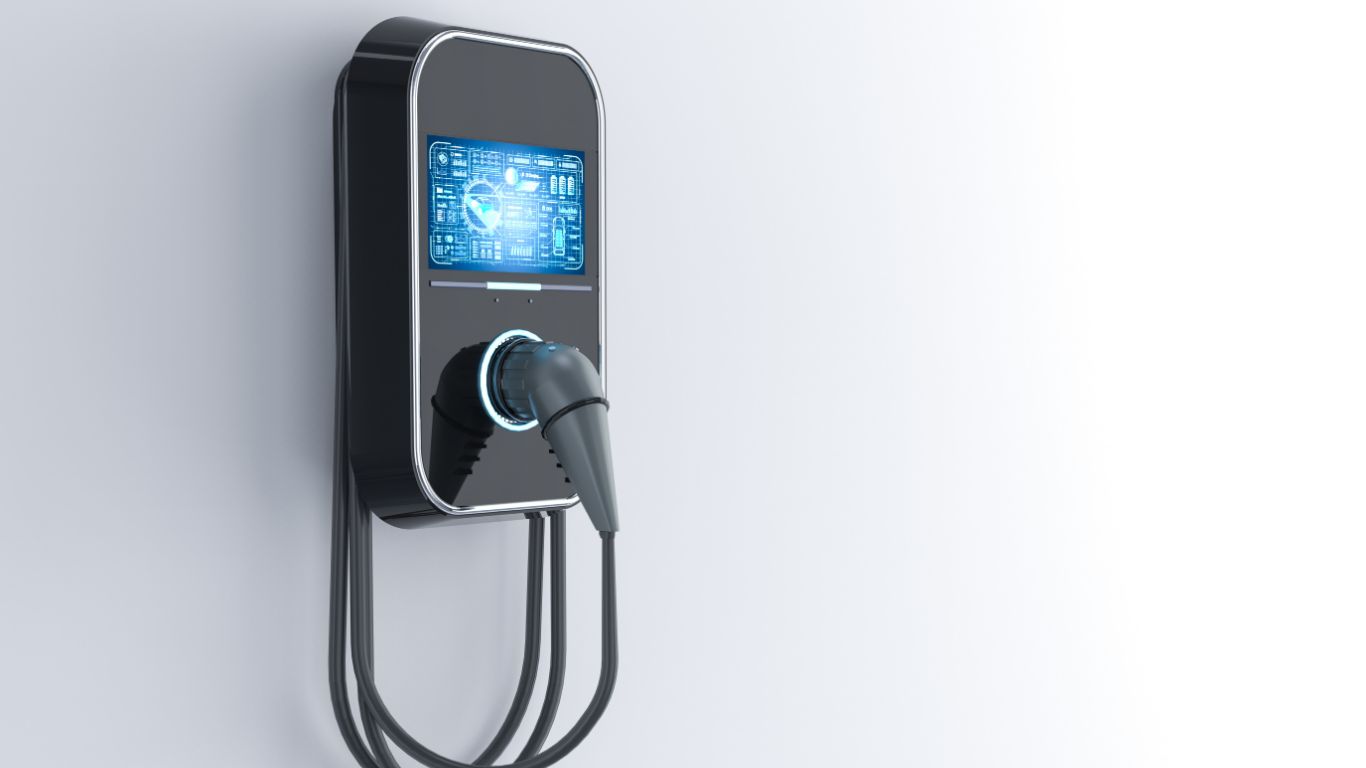
Home EV chargers, commonly referred to as Level 2 chargers, operate on a 240-volt circuit and deliver significantly faster charging speeds than a standard household outlet. Because of this higher voltage requirement, the installation must be handled by a licensed electrician and is subject to local building codes and permitting requirements. All of these technical realities make placement decisions consequential rather than cosmetic. Taking the time to think through your options thoroughly before the work begins is always worth it.
Garage Versus Outdoor Installation: Choosing the Right Environment
The first major decision most homeowners face is whether to install their EV charger inside a garage or outdoors. Both options are entirely viable, but each comes with its own set of trade-offs that are worth understanding in detail.
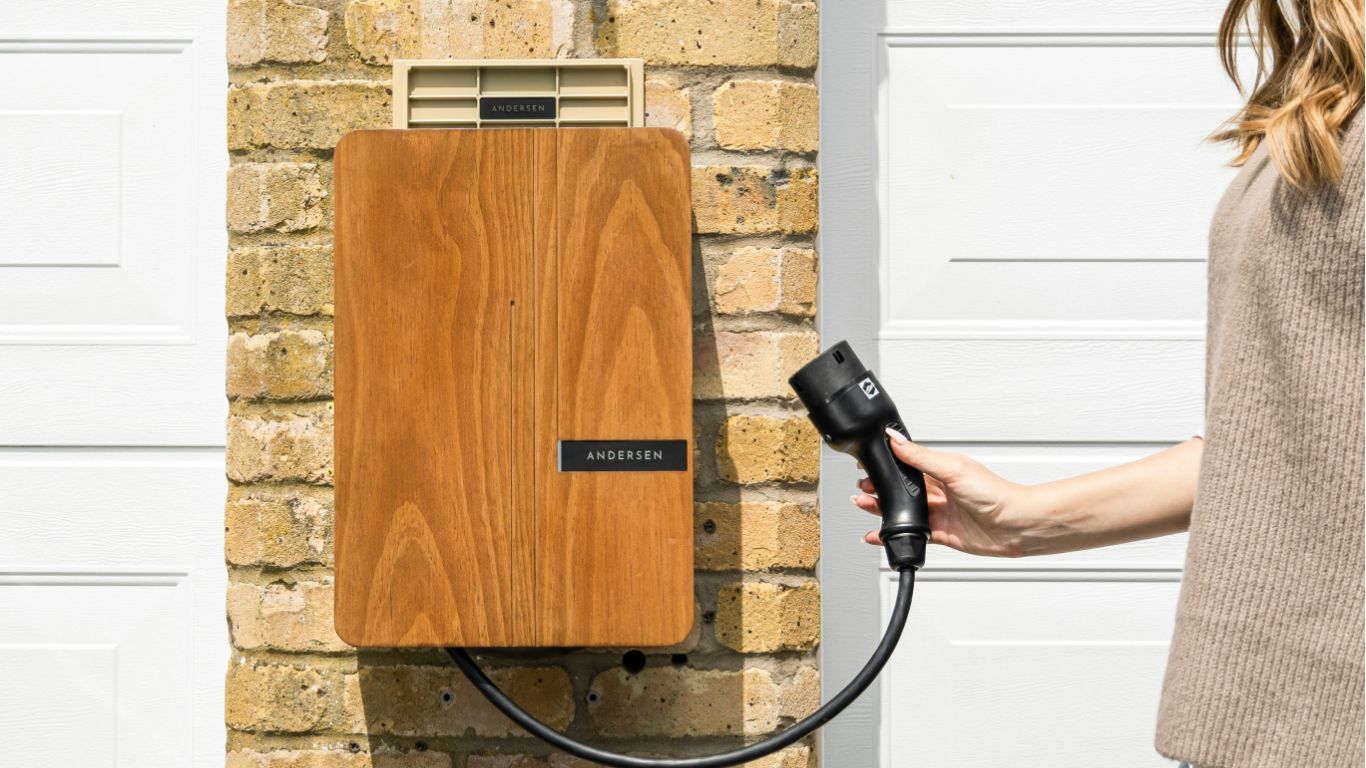
Installing inside a garage is generally the preferred choice when the option is available. A garage provides natural protection from rain, snow, extreme heat, and UV exposure, all of which can degrade charger components over time. During summer months especially, outdoor chargers in direct sunlight can experience heat-related stress. A garage installation also tends to look cleaner, keeps cords and equipment out of view from the street, and typically requires a shorter wiring run if your electrical panel is located in or near the garage. If your garage is attached to your home, the panel is often just a wall or two away, which can significantly reduce installation costs.
That said, not every homeowner has a garage, and many who do prefer to park in the driveway. Outdoor installations are a perfectly legitimate and increasingly common solution. Modern EV chargers rated for outdoor use are built to withstand the elements, and as long as you select a unit with an appropriate NEMA enclosure rating, an outdoor installation can be just as reliable as an indoor one. The key considerations for outdoor placement include choosing a shaded or sheltered wall when possible, ensuring the mounting surface is structurally sound, and confirming that the charger is mounted at a height and position that keeps the cable off the ground while still reaching your vehicle comfortably.
If you park on the street or in a shared parking area rather than on private property, placement options become more limited, and this is a scenario worth discussing with a professional installer who can assess your specific situation and local regulations.
Proximity to Your Electrical Panel and Wiring Considerations
One of the most practical factors in determining charger placement is the location of your home's main electrical panel. The farther your charger is from the panel, the more wire and conduit the electrician will need to run, and the higher the installation cost will be. In some cases, a long wiring run can also require thicker gauge wire to maintain safe voltage levels over distance, adding further to material costs.
Before settling on a location, ask your electrician to assess where the panel is and what the most direct route for running conduit would be. In many homes, the electrical panel is located in the garage, utility room, or basement. If yours is in the garage, placing the charger on a nearby wall could mean a short, clean installation with minimal expense. If the panel is on the opposite side of the house, that distance adds up quickly.
Beyond distance, the condition and capacity of your existing electrical panel matters enormously. A Level 2 home EV charger typically requires a dedicated 240-volt, 50-amp circuit, though some units operate on 40 amps. If your panel is older or already close to capacity, an upgrade may be necessary before installation can proceed. This is another reason why working with a qualified installer from the beginning is so important. A professional can evaluate your panel's capacity and let you know upfront if any upgrades are needed, preventing surprises mid-project.
It is also worth thinking about future-proofing. If you plan to add a second EV to your household, or if other high-draw appliances are on the horizon, discussing that with your installer now allows them to plan the wiring and panel capacity with your future needs in mind.
Cable Length, Parking Position, and Daily Usability
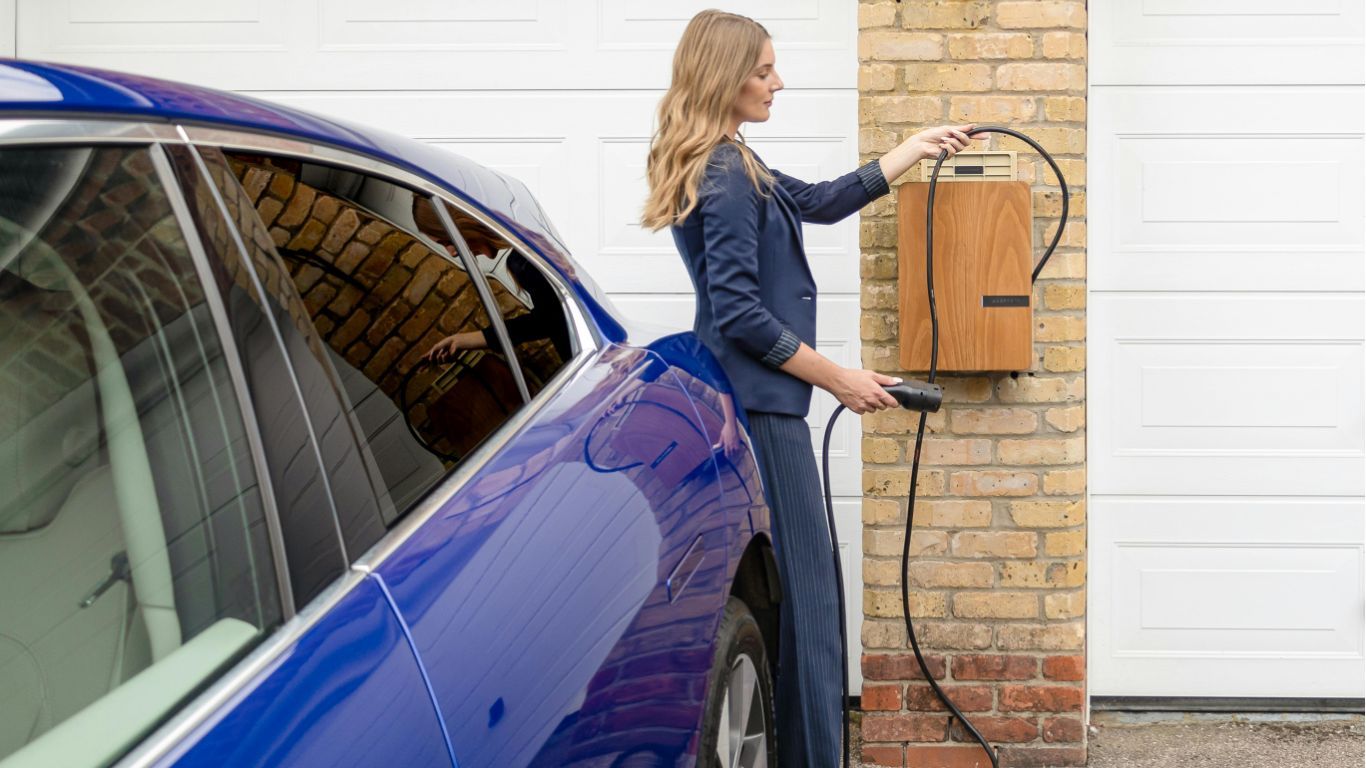
Even the most technically sound installation will frustrate you daily if the charger ends up in an inconvenient position relative to where you actually park your car. This sounds obvious, but it is a detail that many homeowners overlook until after the installation is complete. Before finalizing placement, park your vehicle in its usual spot and physically walk through how the charging cable will reach the port on your car.
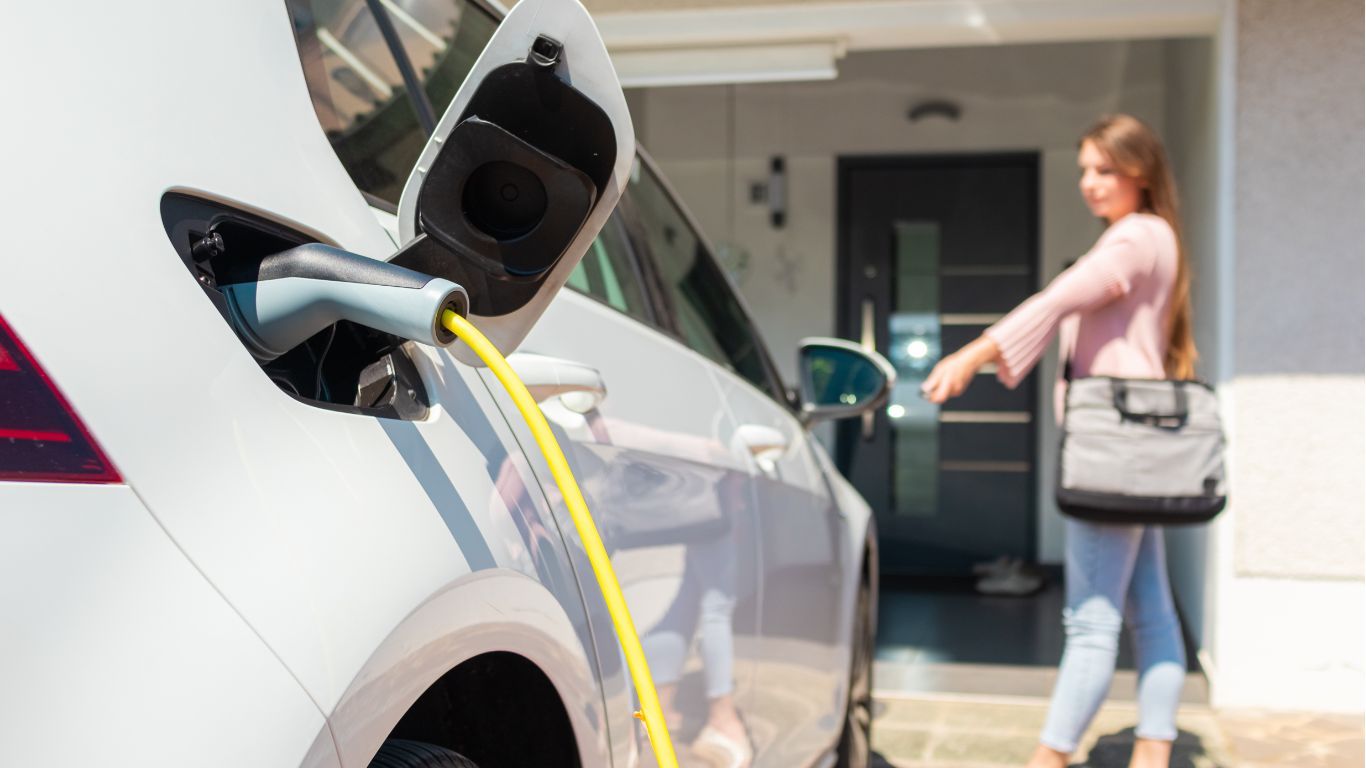
EV charging cables typically range from about 18 to 25 feet in length, which provides reasonable flexibility. However, the position of the charging port on your vehicle varies by make and model. Some vehicles have the port on the driver's side front, others on the passenger's side rear, and the difference of a few feet can matter if your charger is mounted in a fixed location. Ideally, the charger should be positioned so that the cable reaches the port without being stretched tight or draped across the ground where it could be a trip hazard or sustain wear over time.
Consider the following practical factors when evaluating usability:
- The side of your vehicle where the charging port is located, and which direction the car typically faces when parked
- Whether the cable will need to cross a walkway, doorway, or high-traffic area when in use
- The height at which the charger is mounted, keeping it accessible but out of the way of opening car doors
- Whether a cable management hook or retractable cord system would improve day-to-day usability
- How multiple vehicles will be accommodated if more than one EV is in the household
Taking the time to physically simulate plugging in your car from various potential mounting positions can save considerable hassle later. This is especially important in tighter garages where space is limited and every inch matters.
Structural, Safety, and Code Compliance Considerations
Beyond the practical question of where the charger will be most convenient, there are structural and regulatory requirements that must factor into your decision. EV charger installations are subject to the National Electrical Code in the United States, as well as local building codes and permitting requirements that vary by municipality. Most jurisdictions require a permit for EV charger installation, and a licensed electrician must perform the work to ensure it passes inspection.
The wall or surface where you mount the charger needs to be structurally capable of supporting it. Most wall-mounted Level 2 chargers are not particularly heavy, but the mounting surface should be solid, whether that is a wood-framed wall, a concrete block, or a masonry surface. Avoid mounting to surfaces that are unstable, prone to moisture intrusion, or that may shift over time.
Ventilation is another consideration, particularly for enclosed spaces. While modern EV chargers do not generate the same level of heat as older charging technologies, it is still good practice to ensure the charger is not mounted in a sealed area with no airflow. This is less of a concern in a well-ventilated garage but worth keeping in mind for utility closets or tight alcoves.
If you are installing outdoors, the charger must be rated for outdoor use and should ideally be positioned to minimize exposure to pooling water, direct hose spray, or flooding. Wall mounting is preferable to ground-level installation for this reason. A GFCI breaker is required on the dedicated circuit for outdoor installations and is a standard best practice regardless of location.
Working with an experienced installer ensures that all of these code requirements are met from the start, saving you the headache of failed inspections or required rework. The team at Premier EV Chargers specializes in home EV charger installation and can assess your specific property to identify the placement that balances convenience, code compliance, and cost efficiency.
Making the Final Decision and Moving Forward With Your Installation
Once you have worked through the major factors — indoor versus outdoor, proximity to the panel, cable reach and daily usability, and structural and code requirements — you should have a much clearer picture of where your charger belongs. In many cases, the ideal location becomes obvious once all the variables are laid out. The garage wall nearest to the electrical panel and closest to where your vehicle's charging port sits is often the winner. But every home is different, and there is real value in having a professional set of eyes on your specific situation before finalizing anything.
Before installation day, take these preparatory steps to make the process go smoothly:
- Confirm the location of your main electrical panel and ask your installer about the most efficient wiring route
- Park your vehicle in its typical position and measure the distance to the proposed mounting location
- Check with your local building department about permit requirements for EV charger installation
- Discuss your future plans with your installer, including additional vehicles or panel upgrades
- Choose a charger model that is rated for your intended environment, indoor or outdoor, and matches your vehicle's amperage requirements
Summer is actually an excellent time to move forward with a home EV charger installation. Longer days, favorable weather for outdoor electrical work, and the high driving demand that comes with summer travel all make this season a practical moment to get your home charging setup in order. There is no better feeling than returning from a summer road trip and plugging in at home that same night, knowing your vehicle will be fully charged and ready to go by morning.
Determining where to place your home EV charger is a decision that rewards careful thought and professional guidance. The right placement makes charging effortless, keeps costs manageable, meets all safety standards, and positions your home well for the continued growth of electric vehicle ownership. If you are ready to take the next step and want expert help evaluating your home and planning the perfect installation, reach out to the professionals at Premier EV Chargers today. Their team is ready to help you find the smartest, safest, and most convenient spot for your charger so you can start enjoying the full benefits of charging at home.
Leave A Reply
Search
Recent Posts