As electric vehicles (EVs) continue to gain traction among consumers, understanding what to expect during EV charger installation becomes increasingly important. With the shift toward eco-friendly transportation, having reliable charging solutions for both home and commercial use is essential for everyday convenience.
Introduction to EV Charging Needs
The growing popularity of electric vehicles signals a significant shift in our transportation choices. More drivers are recognizing the benefits of EVs, including lower running costs and reduced environmental impact. As this trend rises, so does the necessity for efficient and dependable charging systems that cater to the needs of both individual consumers and businesses.
Reliable charging solutions not only enhance the EV ownership experience but also empower businesses to support their employees and customers with modern amenities. From ensuring quick turnaround times at home to providing options at commercial locations, understanding the installation process is crucial for a seamless transition to electric driving.
The Basics of EV Charger Installation
EV charger installation can appear daunting at first, but breaking down the process into clear stages helps clarify the journey. The process typically starts with planning, where various considerations and site assessments take place, leading to the actual installation.
- Planning: Before installation, thorough planning is essential. This includes site evaluations, discussing charging needs, and selecting the appropriate charger type.
- Types of Chargers: Understanding the different chargers available is vital. The two main types are:
- Level 1 Chargers: These chargers typically use a standard 120V outlet and are suitable for home use, providing a slower charge.
- Level 2 Chargers: Offering faster charging capabilities through a 240V outlet, Level 2 chargers are optimal for both residential and commercial installations, allowing EV owners to charge more quickly and efficiently.
- Installation Execution: After planning, the installation moves into execution, where the actual work takes place, ensuring everything is up to code and functions as intended.
Importance of Professional Installation
While DIY options may seem appealing, opting for professional installation is crucial for several reasons:
- Safety: Trained technicians ensure all installations comply with safety regulations, reducing risks associated with electrical work.
- Code Compliance: Professional installers understand local codes and regulations, making sure the installation adheres to legal standards.
- Peace of Mind: Utilizing experts provides a level of confidence that the installation meets performance criteria, allowing users to charge their vehicles efficiently and securely.
Common pitfalls arise when relying on non-specialized electricians who may lack the specific knowledge of EV charger requirements. Choosing a provider that focuses on this type of installation, like Premier EV Chargers, ensures a thorough understanding of the unique demands of EV charging.
In conclusion, understanding what to expect during EV charger installation is the first step toward a smooth transition into electric vehicle ownership. The right charger, combined with professional installation, will enable you to embrace the EV lifestyle with confidence.
The Installation Process: Step-by-Step
Once you've made the decision to proceed with EV charger installation, understanding the step-by-step process can simplify the experience and eliminate any potential confusion. From initial assessments to finalizing installations, each phase is crucial to ensuring that the setup fits your needs and functions safely and efficiently.
Initial Assessment and Charger Selection
The first step begins with an on-site evaluation conducted by the experts at Premier EV Chargers. During this assessment, specialists will:
- Evaluate your property's electrical capacity and layout.
- Discuss your specific charging needs from the perspective of your vehicle usage patterns.
- Help you select the right type of charger, whether it’s a Level 1 or Level 2, or a solution tailored for commercial needs.
This personalized approach ensures you choose a charger that best accommodates both your immediate usage and long-term objectives as charging demand evolves.
Planning and Preparation
With the charger selected, the next stage involves careful planning and preparation. Key factors that influence installation include:
- Location: Where the charger will be mounted—whether in a garage, parking lot, or commercial space—affects accessibility and convenience.
- Electrical Capacity: Understanding if your existing electrical system can support the charger, or if upgrades are necessary, is essential for successful installation.
- Layout Considerations: The physical layout of your property will guide installation strategies to ensure seamless integration.
Creating a tailored plan allows for scalable solutions, accommodating your future needs as EV adoption continues to grow.
Actual Installation Steps
On installation day, you can expect a professional and organized approach. Here’s what happens:
- Wiring: Electricians will run the necessary wiring from your electrical panel to the installed charger, ensuring all connections comply with local codes.
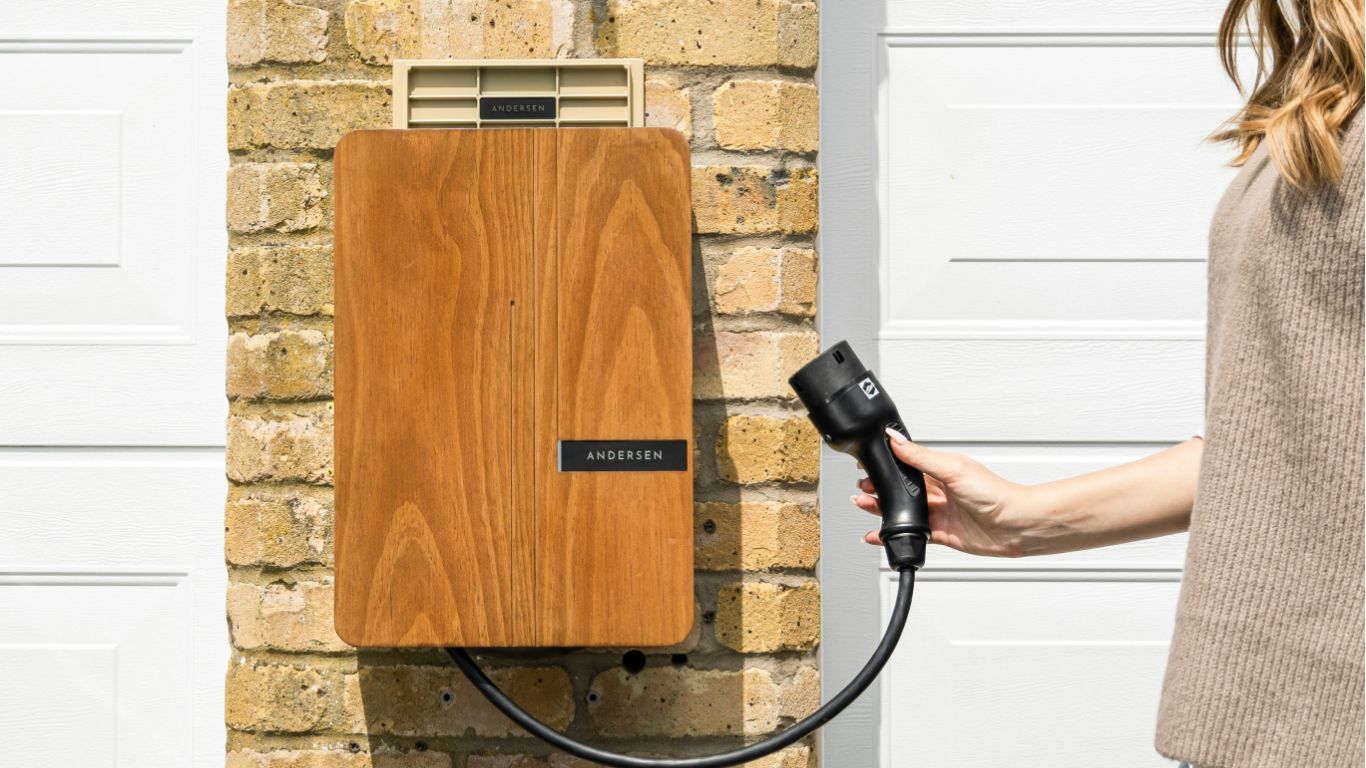
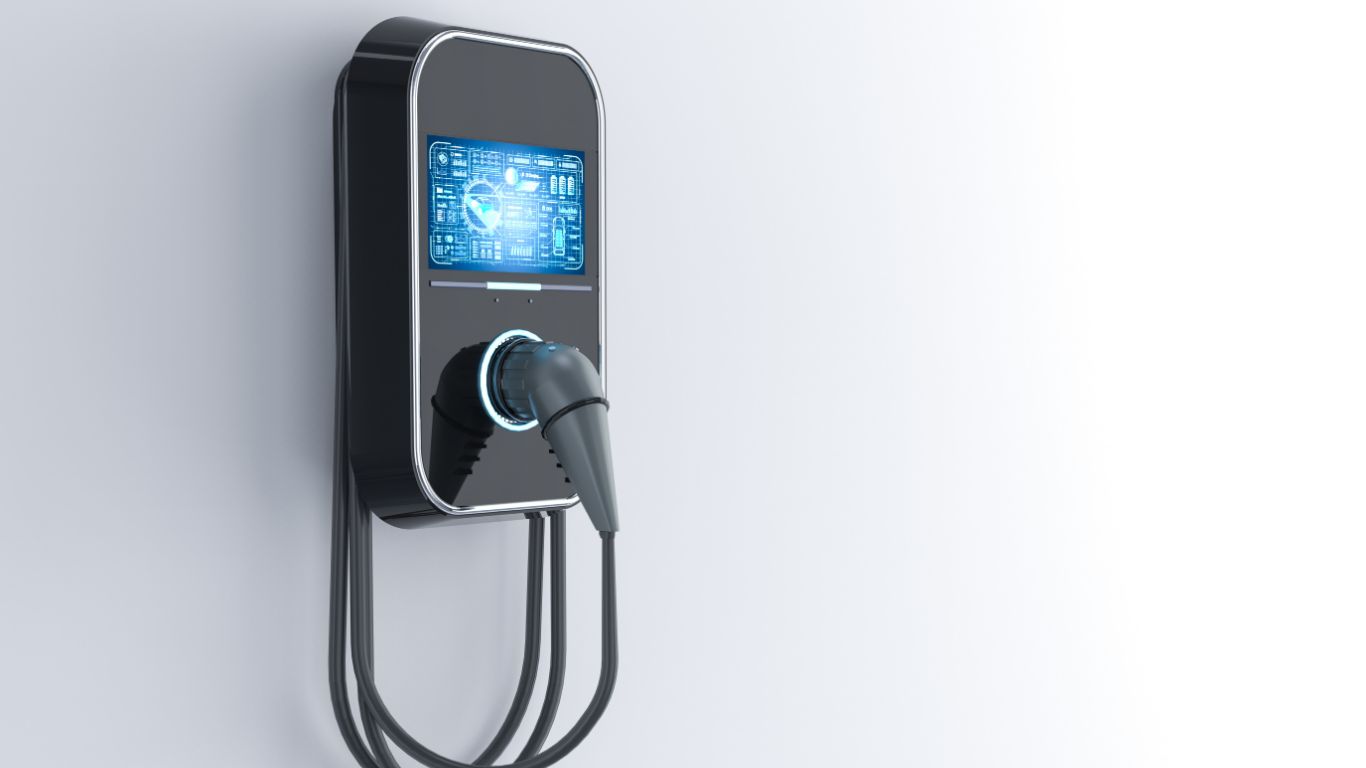
- Mounting: The charger is securely mounted in an optimal location for ease of use, ensuring it is both functional and aesthetically pleasing.
- Testing: Following installation, comprehensive testing is conducted to ensure the charger operates correctly and efficiently.
This meticulous process ensures all safety and performance standards are met, allowing you to approach your new charging setup with confidence.
Post-Installation Follow-up
After installation, premier support continues with carefully executed follow-ups to solidify your understanding of the system:
- Initial Testing: The completed system undergoes a final inspection and testing phase before it's officially ready for use.
- Customer Orientation: Owners are then given a thorough demonstration on how to effectively use and manage their new charger, including safety tips and monitoring options.
This orientation ensures that you feel confident integrating your new EV charging solution into your daily routine.
With Premier EV Chargers, tackling EV charger installation isn’t just about placing a device; it’s about facilitating a seamless transition to electric vehicle ownership, preparing you for the charging patterns of tomorrow.
Maintenance, Costs, and Future Considerations
When it comes to EV charger installation, understanding the financial aspects and maintenance requirements is essential for any property owner. The costs associated with installation can vary greatly based on several factors, and ensuring the longevity of your charger involves planning for ongoing maintenance.
Understanding the Costs of EV Charger Installation
The initial cost of EV charger installation hinges on several variables:
- Type of Charger: The choice between Level 1 and Level 2 chargers can significantly impact your costs. Level 2 chargers tend to have higher upfront prices but provide faster charging options.
- Location of Installation: The charger’s placement in relation to your electrical panel can affect installation complexity and cost. For example, a charger located far from the panel may require additional wiring and thus incur higher installation fees.
- Electrical Upgrades: If your property’s electrical system needs enhancements to accommodate the charger, these upgrades will add to your overall expenses.
- Number of Chargers: Whether you are installing a single residential unit or multiple stations at a commercial site will also influence the total cost.
- Site Conditions: Factors such as wall material, existing infrastructure, and environmental factors may further complicate the installation and affect costs.
Budgeting for maintenance is equally important. Regular upkeep ensures your EV charger operates efficiently and has a longer lifespan, leading to fewer unexpected expenses down the line.
Long-Term Care and Maintenance
Proper maintenance is crucial in extending the life of your EV charger:
- Regular Inspections: To keep your charger in optimal condition, schedule periodic assessments to check for wear and tear, ensuring reliability over time.
- Prompt Repairs: If an issue arises, having a reliable service provider like Premier EV Chargers available for support is essential. Timely repairs can reduce downtime and maintain the functionality of your charging system.
- Update Compatibility: As technology evolves, ensure that your charger remains compatible with new EV models and advancements in charging technology.
Conclusion: Moving Forward with Confidence
Wrapping up your understanding of what to expect during EV charger installation is vital for any future planning. From initial costs and considerations to ongoing maintenance and long-term care, each decision shapes your experience with electric vehicle ownership. Premier EV Chargers is dedicated to offering seamless installation and support, ensuring you can confidently transition to electric vehicle technology.
Call to Action
If you’re ready to explore your options for EV charger installation, we invite you to request a personalized quote. Contact Premier EV Chargers today for inquiries and consultations, and let’s work together to create an efficient, long-term EV charging solution tailored to your needs.
Leave A Reply
Search
Recent Posts