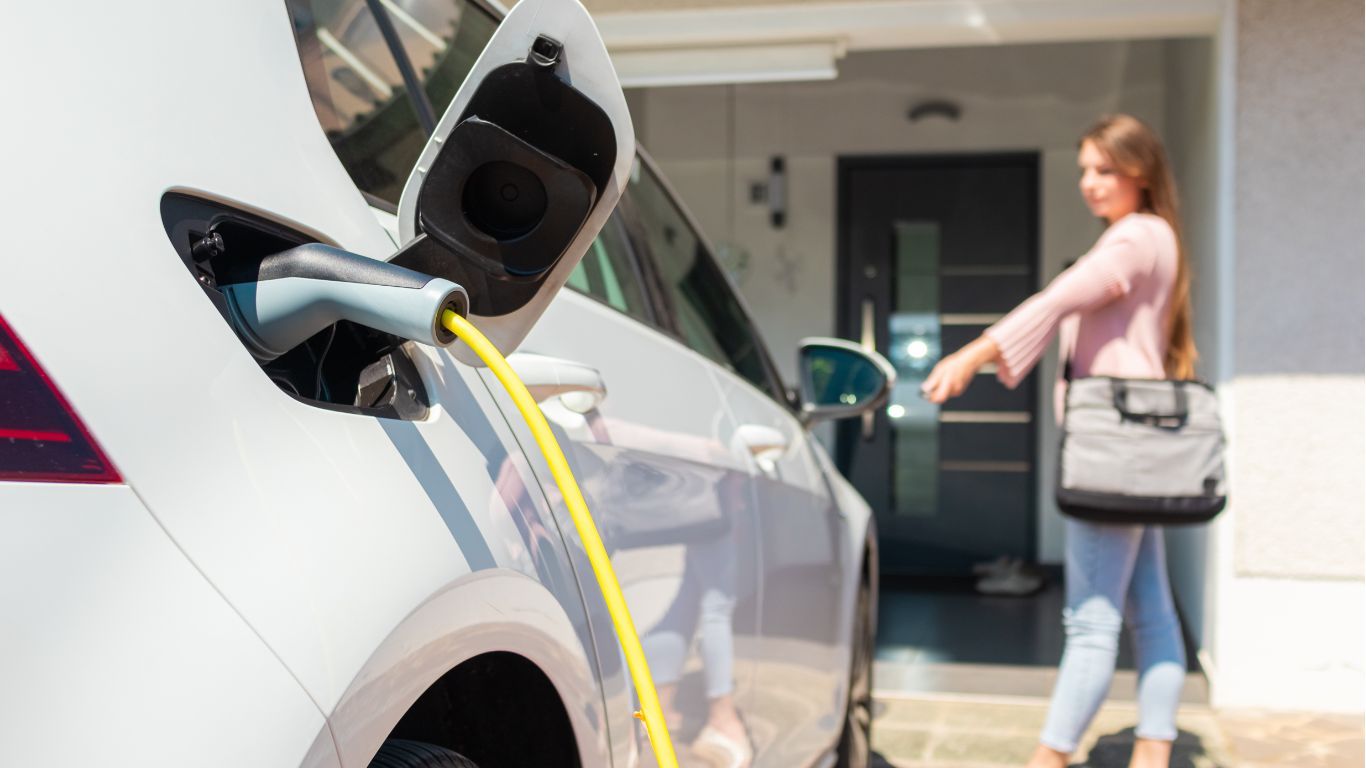
The demand for electric vehicle (EV) charging stations is surging as more businesses recognize the importance of supporting sustainable practices.
For property owners and operators, investing in commercial EV charging stations represents not just an environmental commitment, but also a strategic business move. Selecting the right charging solution can significantly impact customer satisfaction, operational efficiency, and overall property value. In this blog, we will explore the growing landscape of commercial EV charging stations and introduce Premier EV Chargers as a reliable partner in the installation process.
The Rise of Electric Vehicles and Charging Infrastructure
Electric vehicle adoption is growing at an unprecedented rate. Recent statistics indicate that EV sales are expected to reach 25% of all new vehicle sales by 2025, highlighting a clear and urgent need for comprehensive charging infrastructure.
Commercial charging stations play a vital role in this transition. They offer accessible charging solutions for various business needs, including:
- Workplaces looking to provide charging amenities for employees and visitors.
- Public parking facilities aiming to attract EV drivers.
- Fleets requiring dedicated charging solutions for operational efficiency.
Key Factors to Consider When Choosing Commercial EV Charging Stations
When selecting commercial EV charging stations, several critical factors come into play:
Site Evaluation
Conducting a thorough site assessment is crucial to determine the optimal placement of chargers. This includes evaluating traffic flow, accessibility, and compliance with safety regulations.
Charging Speed and Type
Understanding the differences between Level 2 and Level 3 chargers is essential:
- Level 2 Chargers: Suitable for longer charging times, ideal for workplaces where vehicles will remain parked for extended periods.
- Level 3 Chargers: Provide faster charging, perfect for public parking facilities where high turnover is expected.
Your choice should align with user needs and charging speed expectations.
Electrical Infrastructure
Assessing your current electrical capacity and determining necessary upgrades is vital to support your chosen charging station solution.
User Accessibility
Ensuring that your charging stations are easily accessible for all drivers is essential. This includes considering design aspects that comply with safety regulations and promoting a user-friendly experience.
By taking these factors into account, businesses can select the most suitable commercial EV charging stations that meet their specific needs. Partnering with experienced providers like Premier EV Chargers ensures a smooth installation process and support for future scalability.
Making the Installation Process Seamless
Installing commercial EV charging stations may seem like a daunting task, but with a well-structured approach, the process can be made seamless. It’s essential for businesses to outline a comprehensive implementation plan that covers every step from planning to commissioning. This careful planning ensures the charging solutions are configured to meet both current and future needs.
Creating a Comprehensive Implementation Plan
A successful installation begins with an effective implementation plan. This plan should consist of detailed steps including:
- Needs Assessment: Understand your business’s specific requirements, including the types of users who will be charging.
- Site Evaluation: Conduct an assessment of your facility to determine the optimal locations for the chargers.
- Electrical Planning: Ensure your existing electrical infrastructure can accommodate the charging stations.
- Installation Timeline: Create a schedule that outlines each phase of the installation process.
All these elements are vital for providing clarity on what to expect throughout the installation process and ensuring no detail is overlooked.
Cost Considerations and Financial Incentives
One of the most critical discussions during the planning phase involves understanding the costs associated with installing EV charging stations. While expenses can vary based on factors such as site condition, charger type, and installation complexity, it’s essential to get a clear estimate.
Some cost considerations include:
- The type of chargers being installed (Level 2 versus Level 3).
- The number of charging stations required.
- Potential electrical upgrades needed and their costs.
Additionally, businesses should explore available financial incentives, such as:
- Federal tax credits and state grants that can significantly offset installation costs.
- Rebates from utility companies for energy-saving installations.
- Potential advertising revenue from branding on charging stations.
These incentives not only reduce initial investment but can also enhance profitability by encouraging more drivers to utilize the charging stations.
Maintaining Your Charging Stations
Installation may mark the end of the immediate project, but maintaining your charging stations is crucial for long-term success. Regular maintenance ensures that chargers operate efficiently without unexpected downtime. Some key maintenance aspects include:
- Regular Check-Ups: Schedule routine inspections to catch any potential issues early.
- Software Updates: Keep the charging station software updated to improve functionality and security.
- Repair Support: Partner with a reliable provider like Premier EV Chargers who offers ongoing support and quick response to repair needs.
By investing in proper maintenance, businesses can ensure that their charging stations remain reliable, boosting user satisfaction and reinforcing their commitment to sustainability.
With a comprehensive plan in place covering costs, maintenance, and installation, investing in commercial EV chargers not only positions your business for the current market trends but also accommodates future growth as EV adoption continues to rise.
The Long-term Benefits of Well-Planned EV Charger Installations
Investing in commercial EV charging stations is not just about fulfilling immediate needs; it is a long-term strategy that can enhance property value and improve customer relations. The presence of EV chargers can significantly influence the attractiveness of a commercial property, making it essential for business owners to understand the breadth of benefits these installations offer.
Boosting Property Value and Attracting Customers
One of the most compelling advantages of installing EV charging stations is the potential boost in property value. Commercial properties equipped with EV chargers are perceived as more forward-thinking and aligned with sustainability goals, appealing to environmentally conscious tenants and customers. Here are key points on how charging stations can enhance property value:
- Increased Attractiveness: Properties with EV charging stations are more appealing to potential tenants, as they cater to the growing population of EV owners.
- Higher Lease Rates: Commercial spaces that provide EV charging solutions can often command higher rents compared to similar properties without such amenities.
- Enhanced Customer Experience: Visitors can enjoy the convenience of charging their vehicles while they shop, dine, or work, increasing customer satisfaction and loyalty.
Ultimately, having EV charging stations not only fulfills a critical need for charging infrastructure but also contributes to an enhanced reputation as a sustainable business, thereby attracting a wider customer base.
Future-Proofing Your Business with EV Infrastructure
As the electric vehicle market continues to grow, future-proofing your business becomes essential. Future-proofing through the installation of commercial EV charging stations includes:
- Anticipating Demand: Understanding that EV adoption rates are expected to rise sharply, with predictions showing that up to 25% of new vehicle sales will be electric by 2025. Businesses that prepare for this shift can maintain a competitive edge.
- Scalability: Planning your EV charging infrastructure with scalability in mind allows you to adapt to increasing usage rates without the need for costly reconfigurations.
- Staying Ahead: Investing in charging stations now positions your enterprise as a leader in sustainability, which can improve your public image and attract more eco-conscious consumers.
The future is electric, and adapting your business practices to accommodate this shift through strategic installations of EV chargers is a forward-thinking investment.
Conclusion
In conclusion, the strategic installation of commercial EV charging stations is paramount for businesses looking to thrive in the new electric vehicle landscape. Not only does it enhance property value and attract customers, but it also positions companies for future growth as EV adoption increases. Choosing the right solutions from trusted partners like Premier EV Chargers ensures successful integration into your business model, fostering a sustainable approach for years to come.
Businesses are encouraged to assess their current and future charging needs to make informed decisions regarding installation. To kickstart the process, request a quote from Premier EV Chargers today and take the first step towards a sustainable future.
Additional Resources
For further insights and examples of successful installations, consider exploring our case studies. For any inquiries or consultations regarding your commercial charging needs, feel free to reach out to Premier EV Chargers for expert guidance.
Leave A Reply
Search
Recent Posts