Making the decision to install a home or commercial EV charger is one of the smartest investments you can make as an electric vehicle owner. It means waking up every morning to a fully charged battery, eliminating detours to public charging stations, and gaining complete control over your vehicle's energy routine. But if you have never scheduled a charger installation before, the process can feel like a bit of a mystery. What will the technician actually do? How long will it take? Do you need to prepare anything ahead of time? These are all completely reasonable questions, and the good news is that a professional EV charger installation appointment is typically a smooth, well-organized process when you know what to expect going in. This guide walks you through the entire experience from the moment you book your appointment to the moment you plug in your vehicle for the first time, so you can feel confident and prepared every step of the way.
How the Pre-Installation Assessment Sets the Stage for Everything
Before any wiring gets touched or hardware gets mounted to your wall, a quality EV charger installation begins with a thorough pre-installation assessment. This step is arguably the most important part of the entire process because it determines the scope of work, the equipment requirements, and any potential challenges that need to be addressed before installation day. In many cases, this assessment happens during an initial consultation or site visit, though some providers conduct it at the start of the appointment itself depending on the size and complexity of the project.
During the assessment, your technician will evaluate several key factors about your property. For residential installations, this typically includes inspecting your electrical panel to determine its current capacity and whether it can support the additional load of a Level 2 charger, which generally requires a dedicated 240-volt circuit. The technician will also evaluate the distance between your electrical panel and your desired charger location, since longer runs of conduit and wiring can affect both cost and installation time. They will look at your garage layout, assess whether outdoor installation is appropriate for your setup, and review any local code requirements that apply to your area.
For commercial installations, this assessment becomes even more detailed. A commercial property may need multiple charging stations, load management systems to prevent electrical overload, and coordination with the utility company for service upgrades. The technician will assess the existing electrical infrastructure, discuss the anticipated usage volume, and help determine the most practical and cost-effective configuration for the space. Whether you are setting up chargers for a parking garage, a dealership, or a multi-tenant building, getting this groundwork right from the start makes everything that follows far more efficient.
If your panel is already at or near capacity, your technician may recommend a panel upgrade before proceeding. This is not unusual, especially in older homes or buildings that were not designed with EV charging in mind. Understanding this possibility ahead of time helps you plan accordingly and avoid surprises on installation day.
What Happens on the Day of Your EV Charger Installation Appointment
Installation day is where the real action happens, and knowing what to anticipate will help you plan your schedule and ensure your home or business is ready for the technician's arrival. Here is a realistic look at how a typical appointment unfolds from start to finish.
When your installer arrives, they will begin by reviewing the scope of work with you. This is your opportunity to ask any last-minute questions, confirm the charger placement, and make sure everyone is aligned on the plan. A professional technician will walk you through what they intend to do and approximately how long each phase will take. Depending on the complexity of your installation, the appointment can range from two to four hours for a straightforward residential setup, or significantly longer for commercial projects requiring multiple units or electrical upgrades.
The technician will then begin the installation process, which generally follows this sequence:
- Turning off power to the relevant circuits at the breaker panel to ensure safe working conditions throughout the job
- Running new wiring and conduit from the electrical panel to the designated charger location, which may involve fishing wire through walls, attic spaces, or exterior conduit depending on your layout
- Installing a new dedicated circuit breaker sized appropriately for your charger, typically a 40-amp or 50-amp breaker for a Level 2 home charger
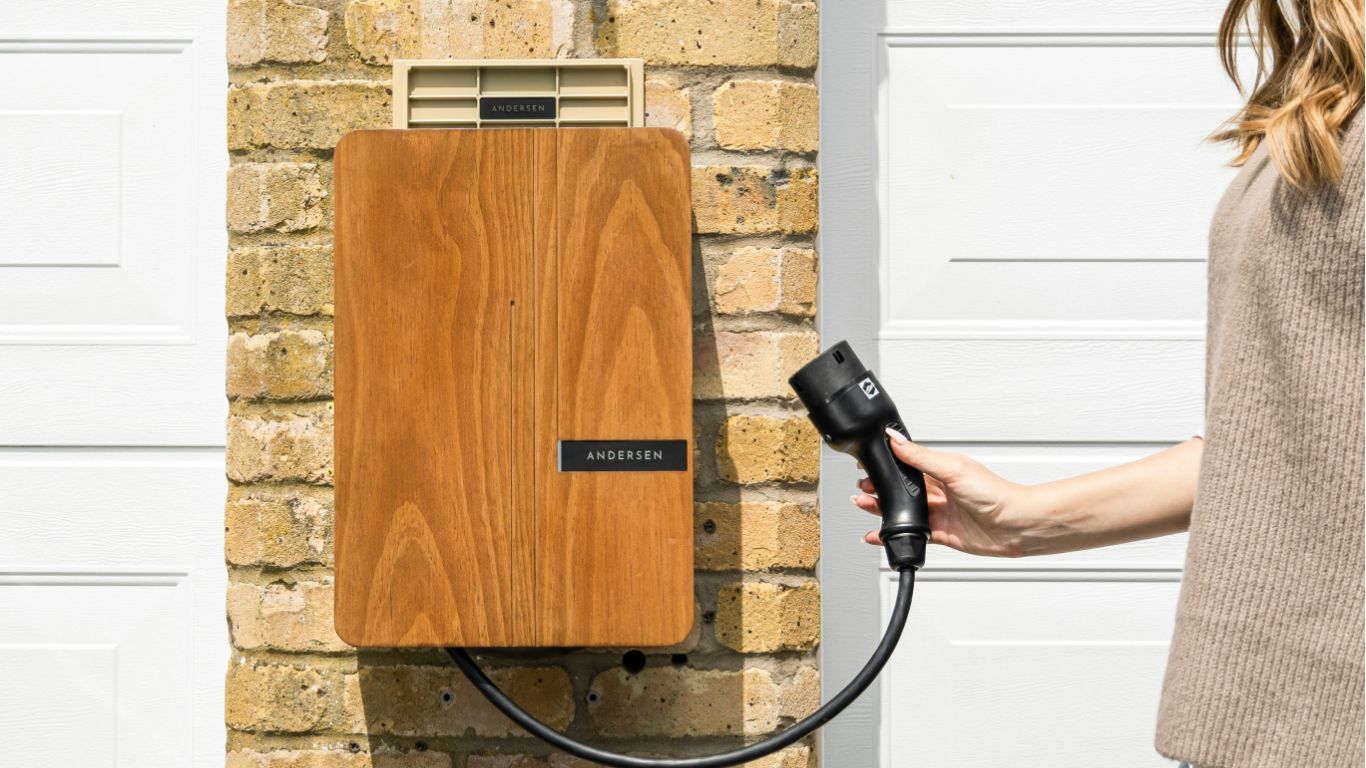
- Mounting the EV charging unit to the wall or post in the agreed-upon location, making sure it is securely fastened and properly positioned for easy vehicle access
- Making all necessary electrical connections between the charger unit and the new circuit wiring
- Restoring power and conducting a full functional test to verify that the charger is operating correctly
Throughout this process, the technician will follow all applicable electrical codes and safety standards. In many jurisdictions, EV charger installations require permits and must be inspected by the local building or electrical authority. A reputable installation company will handle the permitting process on your behalf, ensuring that the work is fully compliant and properly documented. This matters not only for safety but also for insurance purposes and future property transactions.
One thing worth noting is that you do not need to hover over the technician during the installation, but it is a good idea to be available on-site. There may be moments when the installer has a question about your preferences, needs to confirm a routing decision, or requires access to a specific part of your property. Being reachable throughout the appointment keeps things moving efficiently and helps avoid any delays.
Preparing Your Home or Business Before the Technician Arrives
A little preparation on your end can go a long way toward making your installation appointment run as smoothly as possible. The steps you need to take will depend on whether your charger is being installed in a residential or commercial setting, but there are some universal best practices that apply in either case.
If you are having a charger installed in your garage, clear a path from the electrical panel to the charger location. This means moving vehicles, storage bins, bikes, or anything else that might obstruct the technician's workspace. Ideally, the garage itself should be accessible and uncluttered enough for the installer to move freely and safely. If your charger is being installed outdoors, make sure the area around the installation point is clear of landscaping, furniture, or debris.
For commercial installations, coordinate with your facilities manager or building superintendent ahead of time to ensure that electrical rooms, utility spaces, and relevant parking areas are accessible on the day of the appointment. If other contractors or staff will be in the space, communicate the installation schedule so there are no conflicts or safety concerns.
Here are a few additional preparation tips to keep in mind before your appointment:
- Know the location of your main electrical panel and make sure it is accessible and unobstructed
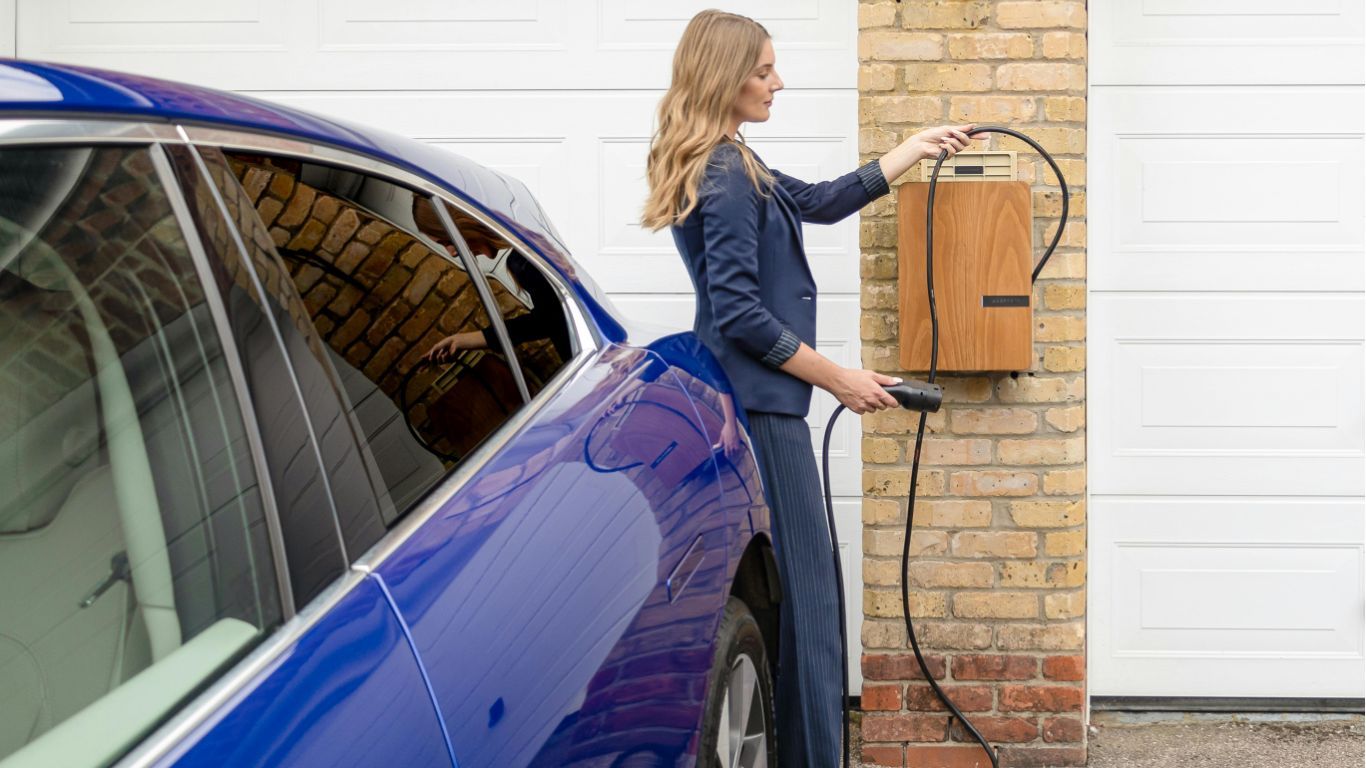
- Have your vehicle nearby so the technician can confirm proper charger placement and cord reach if needed
- Confirm with your installer whether you need to provide any specific information about your vehicle's make or model, as some smart chargers may require configuration details
- Review any HOA rules or building regulations that might affect installation placement or appearance, and communicate these to your installer in advance
- If a permit is required, confirm with your installation company whether it has already been obtained or whether it needs to be arranged before the work begins
Taking these steps before the technician arrives does not just benefit the installer. It benefits you by reducing the chances of delays, unexpected costs, or complications that could push your project past its intended timeline.
After the Installation Is Complete: Testing, Setup, and Next Steps
Once the physical installation work is done and the technician has confirmed that the charger is operational, there are still a few important steps that complete the overall process. This final phase is just as important as everything that came before it, and a thorough installer will make sure you leave the appointment feeling fully informed and confident about using your new equipment.
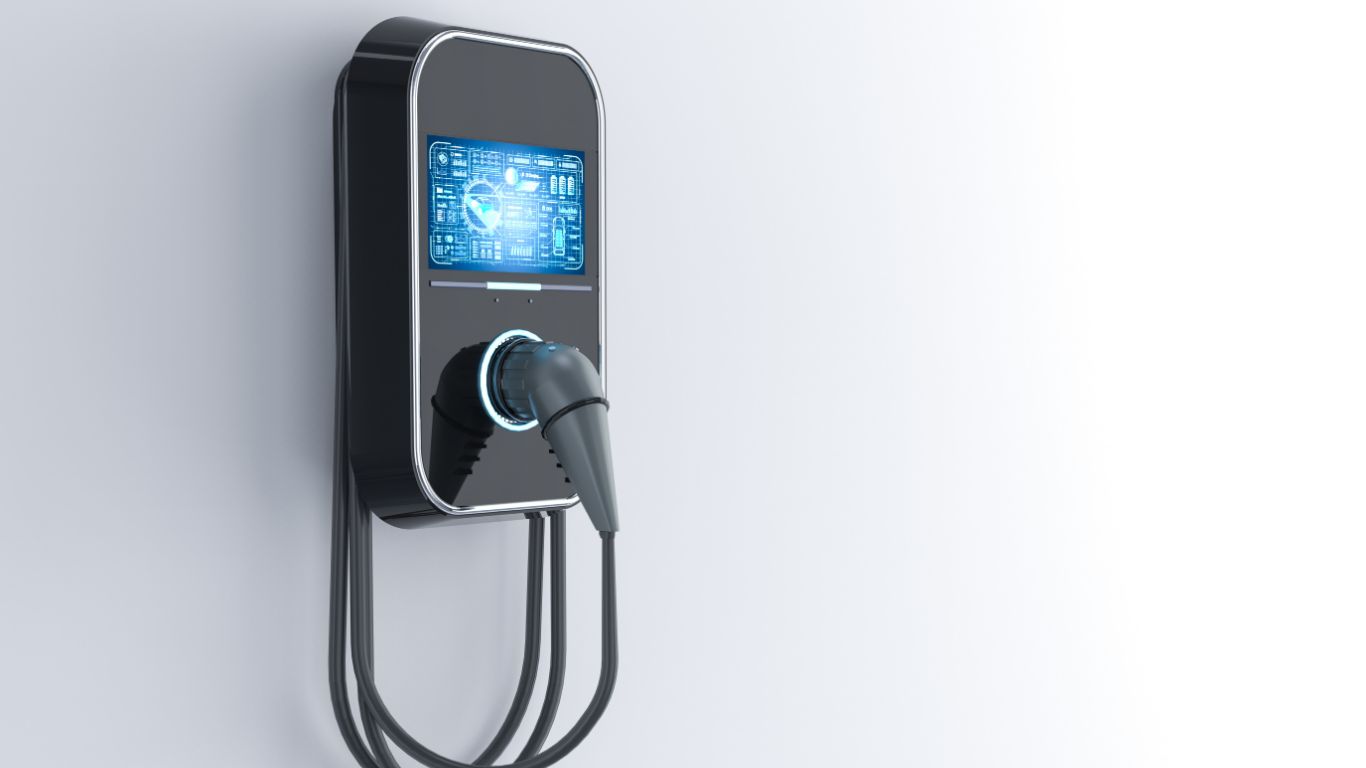
The technician will walk you through the charger's features and functionality. For a basic Level 2 charger, this might simply mean showing you how to plug in your vehicle and confirming that the indicator lights behave correctly. For a smart charger with Wi-Fi connectivity, scheduling features, and energy monitoring capabilities, the walkthrough will be more detailed. You may need to download an associated app, connect the unit to your home network, and configure preferences like charging schedules or notifications. Your installer should help you complete this initial setup before they leave so you are not left troubleshooting on your own.
If your installation required a permit, you will also need to schedule a final inspection with your local authority having jurisdiction. Your installation company should be able to guide you through this process. In most cases, the inspection is straightforward and simply confirms that the work was completed according to code. Once the inspection is passed, your installation is officially complete and fully compliant.
It is also worth asking your technician about any rebates or incentive programs you may qualify for. Federal tax credits, state programs, and utility company rebates are often available for residential EV charger installations, and your installer should be able to point you in the right direction. Summer is actually an excellent time to complete your installation before the end of the year, giving you more time to maximize potential tax benefits before the filing deadline arrives.
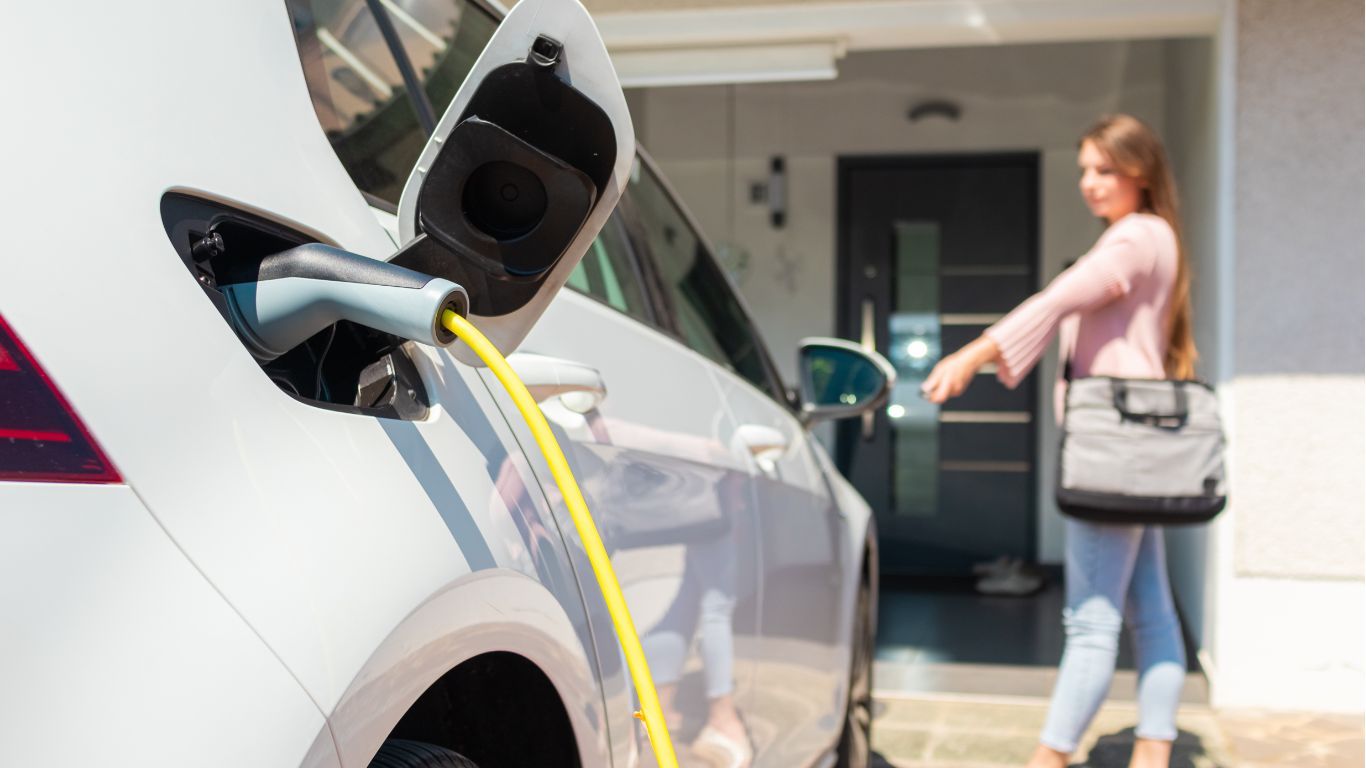
After your appointment is wrapped up, take a moment to test the charger with your actual vehicle. Plug in, confirm that charging initiates correctly, and verify that your vehicle's onboard system recognizes the charge rate. If anything seems off, contact your installer right away. A professional company stands behind their work and will address any concerns promptly.
When it comes to booking a trusted installation with real expertise behind it, Premier EV Chargers offers fast, safe home and commercial EV charger installation across Long Island, New York City, and the surrounding areas. Their team handles everything from the initial site assessment through final testing, so you always know exactly what to expect and can trust that the work is done right the first time.
Scheduling your EV charger installation does not have to feel complicated or overwhelming. With the right team handling your project, the experience is organized, professional, and often completed faster than most people expect. Whether you are a homeowner ready to simplify your daily charging routine or a business owner looking to add charging amenities for customers and employees, understanding the full scope of your appointment is the first step toward a confident, stress-free experience. Do not wait to make the switch. Book your installation appointment today and start enjoying the convenience of charging on your own terms.
Leave A Reply
Search
Recent Posts