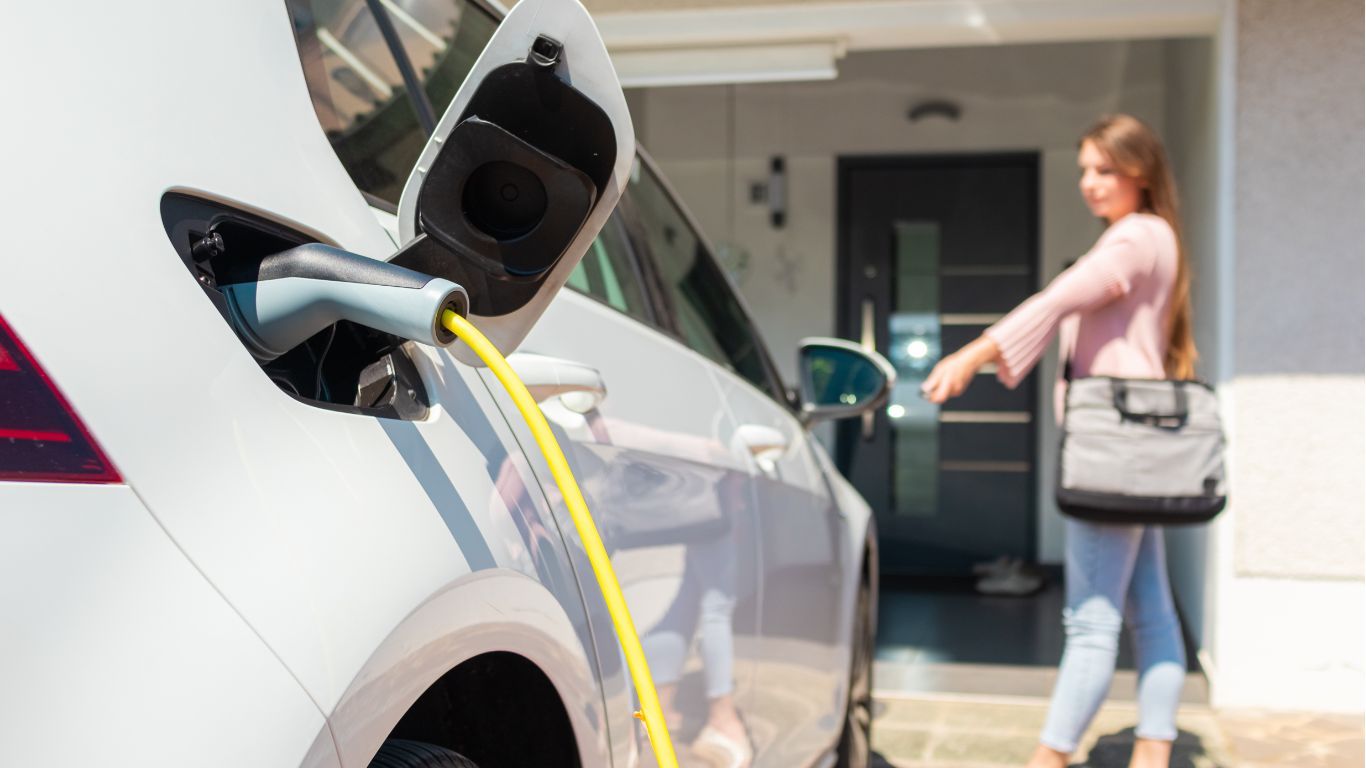

The electric vehicle revolution is no longer on the horizon — it is happening right now, on roads, in parking lots, and in the minds of consumers who are actively choosing where to spend their time and money based on the amenities a business offers. As EV adoption continues to climb steadily year after year, forward-thinking business owners and property managers are asking a critical question: what happens to businesses that fail to meet this growing demand? The answer is becoming increasingly clear. Those who invest early in commercial EV charging infrastructure are positioning themselves to attract more customers, generate new revenue streams, and build a reputation as a modern, sustainability-minded operation. Those who wait risk falling behind competitors who have already made the move. If you have been considering whether installing commercial EV charging stations is the right decision for your property, this article will walk you through exactly why so many businesses are making that investment today — and why summer is one of the best times to act.
Why Commercial EV Charging Is Becoming a Business Necessity
Not long ago, EV charging was considered a luxury or a novelty — something you might find at a high-end hotel or a tech company's corporate campus. That perception has changed dramatically. Electric vehicles are now a mainstream choice for millions of drivers across the country, spanning a wide range of demographics, income levels, and industries. Fleet operators are electrifying their vehicles. Delivery companies are switching to EVs. Everyday commuters are making the leap. And every single one of those drivers needs to charge their vehicle regularly.
The challenge for EV drivers is that public charging infrastructure, while growing, still has significant gaps. Many drivers rely on a combination of home charging and publicly accessible chargers at businesses, shopping centers, workplaces, hotels, and parking facilities. This creates a direct opportunity for commercial property owners. When you install EV charging stations at your location, you become part of the solution to a real, everyday problem that your customers and visitors face. And when you solve a real problem for people, they notice, they return, and they tell others.
Beyond meeting customer demand, there is also a competitive dimension to consider. If a competing retail center, office park, or hotel nearby already offers EV charging and yours does not, you are at a tangible disadvantage with a growing segment of the population. The benefits of installing commercial EV charging stations are not theoretical — they translate into real-world outcomes for your bottom line, your tenant satisfaction, your foot traffic, and your brand perception.
Increased Foot Traffic, Longer Dwell Times, and Higher Revenue Potential
One of the most immediate and measurable benefits of commercial EV charging installation is the impact it has on how long customers stay at your location. When a driver plugs in their vehicle, they are not going to sit in their car and wait. They are going to walk into your business, browse your store, grab a meal, shop, work, or use your services. EV charging sessions, depending on the charger type, can range from thirty minutes to several hours. That is a meaningful window of time during which you have a captive, actively spending customer on your property.
Retail centers and restaurants have observed this effect firsthand. A customer who might have made a quick five-minute stop turns into a longer visit simply because their vehicle is charging in the parking lot. This increased dwell time directly correlates with higher average transaction values. For businesses that sell food, merchandise, services, or experiences, that additional time translates into additional spending. It is a straightforward value chain: charging infrastructure brings EV drivers to your location, keeps them there longer, and increases the likelihood that they spend more money while they wait.
There is also the matter of charging as a standalone revenue stream. Many commercial EV charging deployments use a pay-per-use model, where drivers pay either by the hour or by the kilowatt-hour for the electricity they consume. This means your charging stations themselves can generate direct income in addition to the indirect revenue created by increased foot traffic. Depending on your location, usage volume, and pricing structure, commercial charging infrastructure can become a meaningful and recurring source of revenue for your property.
During the summer months specifically, travel increases significantly. Road trips, weekend getaways, and seasonal tourism all drive EV drivers to seek out charging locations along their routes and at their destinations. If your business or property is well-positioned geographically and listed on major charging network apps and maps, you can capture this seasonal surge in demand and introduce your business to an entirely new wave of customers who might never have stopped otherwise.
Attracting and Retaining Tenants, Employees, and Customers Who Prioritize Sustainability
The shift toward sustainability is reshaping how businesses attract and retain the people they depend on — whether those are tenants in a commercial real estate portfolio, employees in a corporate environment, or loyal customers for a retail or hospitality brand. EV charging infrastructure plays a surprisingly significant role in all three of these areas.
For commercial real estate owners and property managers, EV charging has become an increasingly important amenity in tenant negotiations. Businesses looking to lease office space, retail space, or industrial facilities are asking about EV infrastructure as part of their evaluation process. Tenants with sustainability commitments — which is an ever-growing segment of the corporate world — want to be in buildings and on campuses that reflect their values and help them meet their own environmental goals. Offering EV charging as part of your property's amenity package can differentiate your listing, justify premium rents, and improve tenant retention over time.
In workplace settings, offering EV charging is increasingly viewed as a competitive employee benefit. As more professionals drive electric vehicles, the ability to charge at work becomes a genuine convenience that influences where people choose to work. Companies that provide this amenity demonstrate that they take employee needs seriously and that they are committed to sustainability as a real operational value rather than just a marketing talking point. This can support recruitment efforts and contribute to higher levels of employee satisfaction and retention.
For customer-facing businesses, the sustainability signal that EV charging sends to your audience is equally powerful. Consumers are more likely to support businesses whose values align with their own. Displaying EV charging stations prominently on your property communicates clearly that your business cares about environmental responsibility. This kind of brand alignment builds loyalty and attracts customers who actively seek out sustainable businesses — a demographic that tends to be well-educated, brand-conscious, and willing to pay a premium for products and experiences that reflect their values.
Financial Incentives, Tax Credits, and Long-Term Return on Investment
A concern that often comes up when businesses first consider commercial EV charging is the upfront cost. While there is indeed an initial investment involved in purchasing and installing charging equipment, the full financial picture is considerably more favorable than it might first appear. A combination of federal incentives, state-level programs, and utility rebates can significantly offset the cost of installation, making the decision to invest in EV charging infrastructure much more accessible for a wide range of business sizes and types.
At the federal level, the Alternative Fuel Vehicle Refueling Property Credit has historically provided tax credits for businesses that install EV charging equipment. Specific credit amounts and eligibility requirements can change with new legislation, so it is always wise to consult with a tax professional or your EV charging installer to understand what incentives are currently available and applicable to your situation. Many states also offer their own additional incentives, rebates, and grants that stack on top of federal programs. And many utility companies offer rebates specifically for commercial EV charger installations as part of their demand management and clean energy programs.
When you factor in these incentives alongside the potential revenue from charging fees and the indirect revenue from increased customer spending, the return on investment for commercial EV charging infrastructure can be quite compelling. Properties that invest in EV charging also tend to see positive effects on property valuation over time, as sustainability features and modern amenities are increasingly factored into how commercial real estate is assessed and priced.
It is also worth thinking about the long-term trajectory of EV adoption. The number of electric vehicles on the road is expected to continue growing substantially over the coming years as manufacturers expand their EV lineups, battery technology improves, and vehicle prices become more competitive with traditional internal combustion engine options. Installing EV charging infrastructure now means your property is ready to serve that growing market from the start, rather than scrambling to retrofit your facilities later when demand peaks and installation costs may be higher and timelines longer.
Beyond the direct financial considerations, there is a risk management dimension to the decision as well. Municipalities in many states are beginning to implement building codes and regulations that require EV charging readiness in new construction and major renovations. Getting ahead of these requirements voluntarily puts you in a strong position and may save you from more costly mandatory upgrades in the future. Being proactive about EV infrastructure is increasingly a smart operational and regulatory strategy, not just a customer amenity decision.
Choosing the Right Commercial EV Charging Partner for Your Property
Installing commercial EV charging stations is not a one-size-fits-all process. The right solution depends on your property type, the number of parking spaces available, your electrical capacity, your target users — whether they are customers, tenants, employees, or the general public — and your revenue and usage goals. This is why working with an experienced, knowledgeable commercial EV charging partner is so important.
A quality commercial EV charging provider will assess your specific property, understand your goals, and recommend a solution that is appropriately scaled and configured for your needs. This includes determining the right mix of charger types. Level 2 chargers, for example, are well-suited for locations where vehicles are parked for extended periods, such as office buildings, hotels, apartment complexes, and retail destinations. DC fast chargers are better suited for high-turnover locations like convenience stores, highway rest areas, or destinations where drivers need a quick top-up and are not staying long. The right mix of equipment makes a significant difference in both user satisfaction and return on investment.
Ongoing management, monitoring, and maintenance are also critical components of a successful commercial EV charging program. Modern commercial chargers are typically connected to network management platforms that allow property owners and operators to monitor usage in real time, manage pricing and access controls, handle payment processing, generate usage reports, and receive alerts when maintenance is needed. This networked, data-driven approach makes managing a commercial charging deployment far more straightforward than many property owners initially expect.
Premier EV Chargers specializes in commercial EV charging solutions designed to meet the unique needs of businesses and property owners. Whether you are managing a shopping center, office complex, hotel, multifamily property, or any other commercial venue, their team can help you navigate the full process from site assessment and equipment selection through installation and ongoing support. You can learn more about their commercial parking and EV charging solutions by visiting https://www.premierevchargers.com/commercial-parking and exploring how they can help your property take advantage of this growing opportunity.
The businesses that thrive in the coming years will be those that anticipated the needs of their customers and acted accordingly. EV charging is not a trend that is going to reverse. It is infrastructure for the future of transportation, and the future is already here. This summer is an excellent time to evaluate your property, explore the incentives available to you, and take the first step toward making your location a destination for the millions of EV drivers who are actively looking for businesses just like yours. The benefits of installing commercial EV charging stations are real, measurable, and compounding — and the best time to start capturing those benefits is now. Reach out to Premier EV Chargers today and find out how easy it can be to get started.
Leave A Reply
Search
Recent Posts